
Services
General Surgery
General Surgery services are at the forefront of modern medical treatment, utilizing minimally invasive techniques to enhance patient outcomes. These advanced methods significantly reduce recovery times and minimize risks, providing effective care for patients of all ages and injury types. Whether addressing minor wound care or performing intensive procedures following traumatic accidents, general surgeons are equipped to manage a broad range of personal injury ailments, particularly those affecting multiple systems.
The comprehensive approach to general surgery encompasses various critical aspects of patient care, including pathology, physiology, anatomy, and intensive care. From the initial diagnosis to postoperative recovery, specialized surgeons are dedicated to every phase of your treatment journey. With expertise in managing musculoskeletal, head, and hand injuries, they ensure that you receive the highest level of care tailored to your specific needs.

Medical Evaluations
As a medical evaluator specializing in accident cases, these professionals play a crucial role as one of the first healthcare contacts for patients post-accident. They conduct comprehensive assessments to diagnose injuries, prescribe treatments, and coordinate referrals to specialists as needed. This includes arranging imaging studies, such as X-rays or MRIs, coordinating laboratory services for diagnostic tests, and prescribing medications to manage pain and inflammation. They also facilitate access to rehabilitation services such as physical therapy or chiropractic treatment to aid in the patient’s recovery process. Serving as a central point of contact, they ensure that patients receive prompt and effective medical care following traumatic events, guiding them towards optimal recovery and well-being.

Neurosurgery
Neurosurgery specializes in treating injuries to the nervous system through surgical interventions, especially for accident victims. Procedures include:
- Craniotomy: Surgeons open the skull to access the brain, often performed to address traumatic brain injuries, such as hematomas or contusions, caused by accidents. Spinal Fusion: This surgery stabilizes the spine by fusing vertebrae together, commonly performed to address spinal fractures or instability resulting from accidents.
- Decompressive Laminectomy: Surgeons remove a portion of the vertebral bone to relieve pressure on the spinal cord or nerves, often necessary for spinal cord injuries caused by accidents.
- Traumatic Brain Injury (TBI) Repair: Various procedures are performed to repair and reconstruct brain tissue damaged by accidents, such as cranioplasty to repair skull fractures or ventriculostomy to drain cerebrospinal fluid buildup.
- Peripheral Nerve Repair: Surgeons repair damaged peripheral nerves, restoring function to limbs affected by traumatic injuries sustained in accidents.
These surgeries aim to stabilize, repair, and restore function to the nervous system following traumatic injuries, helping accident victims regain quality of life and functionality.

Gastroenterology (GI)
Gastroenterology treatments primarily focus on addressing gastrointestinal (GI) issues, including those arising from the use of nonsteroidal anti-inflammatory drugs (NSAIDs) to manage pain following accidents. NSAIDs are commonly used for pain relief but can lead to gastrointestinal complications such as ulcers, bleeding, and inflammation. Gastroenterologists employ various strategies to manage these issues, including prescribing medications to protect the stomach lining, such as proton pump inhibitors or H2 blockers. They may also recommend lifestyle modifications and dietary changes to minimize GI discomfort and reduce the risk of NSAID-induced complications. Additionally, gastroenterologists monitor patients for early signs of gastrointestinal damage, providing timely interventions to prevent further complications and ensure optimal pain management following accidents.

Otolaryngology (ENT)
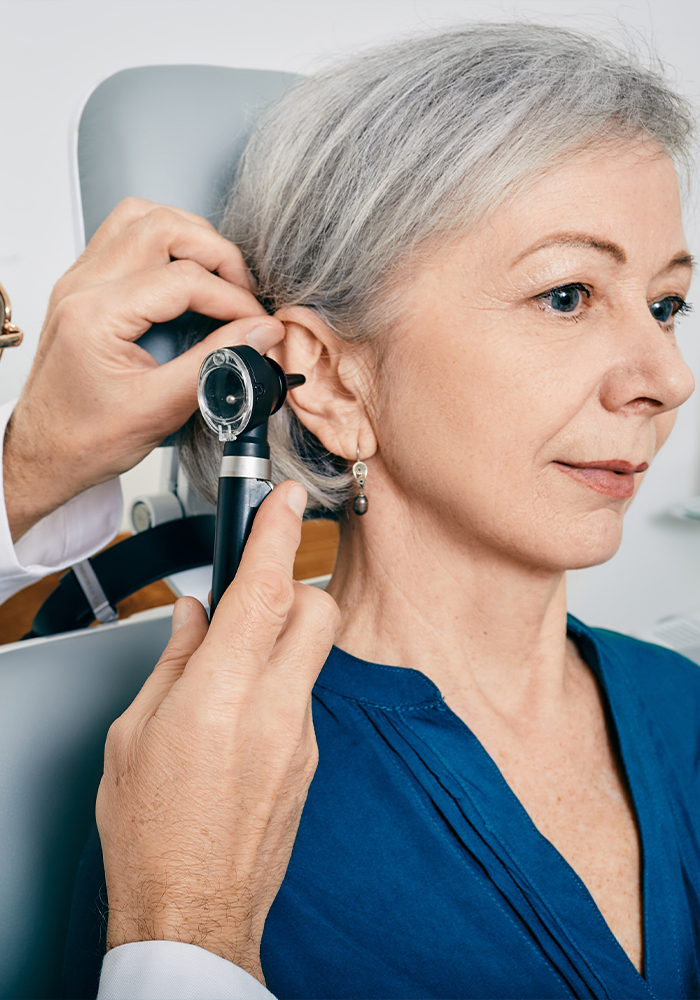
ENT (Ear, Nose, and Throat) treatments and surgeries play a crucial role in addressing injuries resulting from accidents, focusing on restoring function and alleviating symptoms in affected areas. Following accidents, patients may experience various ENT-related issues, including:
- Nasal Fractures: ENT specialists can perform procedures such as closed reduction to realign nasal bones, improving breathing and aesthetic appearance.
- Ear Trauma: Surgical interventions may be necessary to repair traumatic injuries to the ear, such as tympanoplasty to repair a ruptured eardrum or ossicular chain reconstruction to restore hearing function.
- Facial Lacerations: ENT surgeons are skilled in repairing facial lacerations, ensuring proper wound closure and minimizing scarring.
- Throat Trauma: Injuries to the throat may require surgical interventions such as laryngoscopy to assess and treat damage to the vocal cords or esophagoscopy to address injuries to the esophagus.
- Sinus Injuries: ENT treatments may involve sinus surgery to address traumatic injuries or fractures of the facial bones affecting the sinuses, restoring proper drainage and function.
Overall, ENT treatments and surgeries tailored to accidents and injuries aim to restore normal function, alleviate pain, and improve quality of life for patients affected by trauma to the ear, nose, throat, or surrounding structures.
Plastic & Reconstructive Surgery
Plastic and reconstructive treatments and surgeries offer vital assistance to accident and injury victims by restoring form, function, and appearance following traumatic events. These procedures encompass a wide range of interventions tailored to address specific injuries sustained in accidents, including:
- Facial Reconstruction: Plastic surgeons utilize techniques such as skin grafts, tissue expansion, and microsurgery to repair facial injuries, including fractures, lacerations, and soft tissue damage, restoring facial symmetry and aesthetics.
- Scar Revision: Surgical procedures are performed to minimize the appearance of scars resulting from accidents, enhancing cosmetic outcomes and improving skin texture and flexibility.
- Hand Surgery: Reconstructive surgeries on the hands and fingers aim to restore function and dexterity following injuries such as fractures, tendon lacerations, or nerve damage sustained in accidents.
- Burn Reconstruction: Plastic surgeons employ skin grafting, tissue expansion, and specialized techniques to restore function and aesthetics for patients with burn injuries, improving range of motion and minimizing scarring.
- Breast Reconstruction: For accident victims who have undergone mastectomy due to trauma or cancer, plastic surgeons offer breast reconstruction procedures using implants or autologous tissue transfer to restore breast shape and symmetry.
These plastic and reconstructive treatments play a critical role in helping accident and injury victims regain confidence, functionality, and quality of life following traumatic events.

Pain Management
Pain management is a specialized medical field focused on alleviating discomfort caused by accident-related injuries. Through a tailored approach, professionals aim to reduce pain and enhance function, improving patients’ quality of life.
Procedures for Accident-Related Injuries:
- Medication Management: Prescription medications like analgesics, anti-inflammatories, and muscle relaxants may be used to alleviate pain and inflammation resulting from injuries.
- Interventional Procedures: Minimally invasive techniques directly target pain sources. Examples include epidural steroid injections, facet joint injections, nerve blocks, and radiofrequency ablation.
These procedures aim to provide relief and support recovery, ensuring individuals can resume their daily activities with improved comfort and mobility.